Most people don’t struggle to fall in love with the idea of trekking in Nepal — they struggle to pick a route. Every trek promises the same postcard image: snow peaks, prayer flags, a warm cup of tea in a village lodge. But once you actually start researching, you realize the four names that keep popping up — Annapurna Base Camp Trek, Manaslu Circuit Trek, Langtang Valley Trek, and Mardi Himal Trek — are honestly quite different animals. One is a two-week wilderness expedition, another can be done in less than a week. One needs a special permit, another you could almost book last-minute.
If you’re a first-timer, you probably want something shorter and forgiving on the knees. If you’ve already done a Himalayan trek or two, you might be chasing something wilder and less touristy. This guide breaks down all four Nepal trekking routes side by side so you can figure out, without the guesswork, which one actually fits your time, budget, and fitness level.
Overview of Nepal’s Most Popular Himalayan Trekking Experiences
Nepal earns its reputation the hard way — it genuinely has some of the most dramatic mountain scenery on the planet, and it backs that up with a trekking culture that’s been refined over decades. Walk any of these trails and you’ll pass through villages where the architecture, food, and daily rhythm shift with the ethnic community you’re in — Gurung, Magar, Tamang, or Tibetan-influenced settlements near the higher passes. Tea house trekking, where you sleep and eat in family-run lodges along the trail, means you don’t need to carry a tent or cook your own food, which makes even a “hard” trek more manageable than people expect.
The four routes in this guide each represent a distinct flavor of Himalayan adventure. Annapurna Base Camp Trek is the classic, ask-anyone-who’s-been-to-Nepal recommendation. Manaslu Circuit Trek is for people wanting something remote and less commercial. Langtang Valley Trek is the closest full mountain experience to Kathmandu. And Mardi Himal Trek is the newer, shorter option that somehow still delivers big mountain views.
Annapurna Base Camp Trek: A Classic Journey Into the Heart of the Annapurna Himalayas
Overview
There’s a reason the Annapurna Base Camp Trek shows up on nearly every “best treks in Nepal” list — it walks you straight into the Annapurna Sanctuary, a natural amphitheater of peaks that surrounds you on almost every side by the time you reach base camp. Machhapuchhre, also called Fishtail Mountain because of its twin-peaked summit, dominates the skyline for much of the trail and is arguably one of the most photogenic mountains in the country.
Along the way you’ll pass through Gurung and Magar villages, cross rhododendron forests that turn the hillsides pink and red in spring, and climb through bamboo groves before the landscape opens into high alpine terrain. It’s this mix of variety — jungle, terraced farmland, then glacier — that makes the trek feel so complete in a relatively short window.
Travelers pick this route because it strikes a rare balance: real Himalayan adventure without needing expedition-level fitness. The sunrise views from Base Camp, with light hitting Annapurna I and Machhapuchhre at once, are honestly worth the early wake-up call.
Difficulty, Duration and Best Time
Most itineraries run anywhere from 7 to 14 days depending on your starting point and pace. It’s generally rated as a moderate trek — you’ll be walking 5 to 7 hours on most days, with some steep stone staircases that test your legs more than your lungs. Altitude at base camp sits around 4,130 meters, high enough that you’ll want a day or two of gradual acclimatization built into your plan.
Spring (March to May) and autumn (September to November) are by far the best windows, offering clearer skies and more stable trail conditions. A bit of prior hiking experience helps, but this isn’t a trek that requires technical mountaineering skills.
Who Should Choose Annapurna Base Camp Trek?
This route suits first-time Himalayan trekkers who still want an iconic, big-mountain payoff. It’s also a solid pick for travelers who want cultural stops built into the journey rather than pure wilderness, and for anyone after that classic, well-rounded Nepal trekking experience without committing three weeks of vacation time.
Manaslu Circuit Trek: Nepal’s Remote and Authentic Himalayan Adventure
Overview
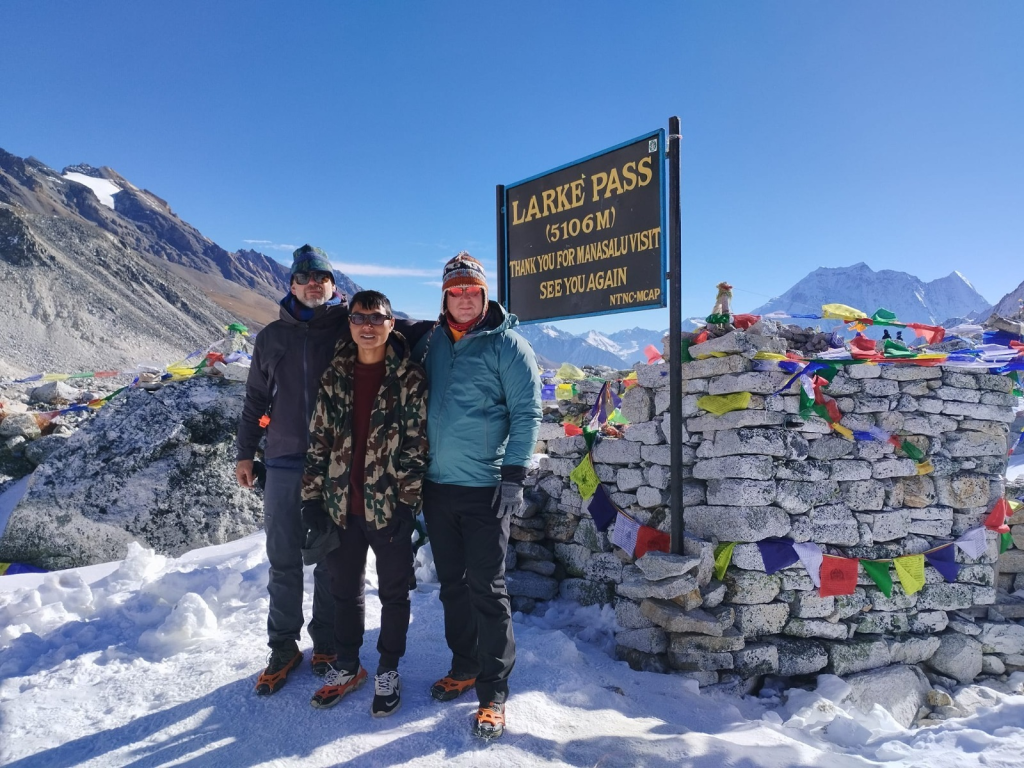
If Annapurna Base Camp feels a touch too popular for your taste, the Manaslu Circuit Trek is where a lot of experienced trekkers end up instead. It loops around Mount Manaslu, the world’s eighth-highest peak at 8,163 meters, through a region that only opened to foreign trekkers in the early 1990s and still sees a fraction of the foot traffic of Annapurna or Everest.
What sets Manaslu apart is how the culture shifts as you climb — lower villages feel distinctly Nepali, while the upper valleys near Larkya La Pass carry a strong Tibetan influence, with chortens, mani walls, and monasteries lining the trail. The scenery is dramatic in a rawer, less-manicured way than the more developed routes, and the sense of remoteness is real — some days you’ll pass more yaks than people.
Difficulty, Permits and Best Season
This one’s a step up in difficulty. Expect 12 to 18 days on trail, moderate to challenging terrain, and a high-altitude crossing at Larkya La Pass, which sits above 5,100 meters. Because it runs through a restricted area, you’ll need special permits and, unlike some other Nepal routes, you’re required to trek with a licensed guide — solo trekking isn’t permitted here.
Spring and autumn remain the best months to attempt it, mainly because the pass can become genuinely dangerous in poor weather or heavy snow. Proper altitude preparation isn’t optional on this trek; it’s part of what keeps people safe.
Who Should Choose Manaslu Circuit Trek?
Manaslu Circuit Trek is built for trekkers who’ve already got a Himalayan trek or two under their belt and want fewer crowds, more wilderness, and a deeper cultural immersion. If your idea of a good trip involves villages that still feel untouched by mass tourism, this is probably your route.
Langtang Valley Trek: A Beautiful Himalayan Escape Near Kathmandu
Overview
Here’s the thing most guidebooks undersell about the Langtang Valley Trek — you can be on the trail within a few hours of leaving Kathmandu, which makes it the most time-efficient way to get real Himalayan scenery without burning through your whole trip on travel days. The route runs through Langtang National Park, home to red pandas, langur monkeys, and, if you’re lucky, glimpses of the elusive snow leopard’s territory at higher elevations.
The valley itself is shaped by Tamang culture, and you’ll notice it in the prayer wheels, the architecture of the lodges, and the warmth of the welcome in villages like Langtang and Kyanjin Gompa. Add in glacier views from the Kyanjin Ri viewpoint and rolling valley landscapes, and it’s easy to see why this trek keeps coming back onto people’s shortlists.
Difficulty and Ideal Travelers
Rated easy to moderate, Langtang Valley Trek typically takes 7 to 10 days and doesn’t demand the same physical toll as Annapurna or Manaslu. Trail conditions are generally gentler, though you’ll still gain meaningful altitude near Kyanjin Gompa, so a sensible pace matters.
It’s a great match for short-holiday travelers, families with older kids, and first-time visitors to Nepal who want a genuine mountain experience without a two-week commitment. Best seasons follow the usual pattern — spring for the rhododendrons, autumn for the clearest mountain views.
Mardi Himal Trek: A Short Himalayan Trek With Incredible Mountain Views
Overview
Mardi Himal Trek has quietly become one of Nepal’s fastest-growing trekking routes, and once you walk it, it’s obvious why. It stayed relatively hidden for years, tucked just off the main Annapurna trails, which means the forested sections feel wonderfully quiet compared to busier routes. As you climb above the treeline, Machhapuchhre suddenly looms enormous and close, and the Annapurna range opens up in a panorama that feels disproportionate to how little time you’ve spent walking to earn it.
The lower trail winds through rhododendron and oak forest, often shrouded in mist, before breaking into ridge-top terrain with some of the best sunrise viewpoints in the entire Annapurna region.
Difficulty and Best Time
This is a moderate trek that most people finish in 5 to 8 days, making it one of the best options if your vacation time is tight. It does climb to around 4,500 meters at High Camp, so it’s not entirely without challenge, but a reasonably fit beginner can manage it with the right pace.
Spring and autumn again offer the best visibility, though Mardi Himal’s forested lower stretches also look genuinely beautiful in the shoulder seasons when rhododendrons are blooming.
Who Should Choose Mardi Himal Trek?
If you want maximum mountain payoff for minimum time and budget, this is probably your answer. It also appeals to travelers who’ve already done the more famous routes and want something a little less crowded, without giving up the visual drama.
Annapurna Base Camp vs Manaslu Circuit vs Langtang Valley vs Mardi Himal Trek: Which One Should You Choose?
For beginners: Langtang Valley Trek is the gentlest introduction, with Mardi Himal Trek and Annapurna Base Camp Trek close behind depending on how much time you have.
For remote adventure: Manaslu Circuit Trek wins by a wide margin — fewer trekkers, wilder terrain, and a genuine sense of going off-grid.
For a short Nepal trek: Mardi Himal Trek and Langtang Valley Trek both fit into a week or so, ideal if your vacation days are limited.
For the classic Himalayan experience: Annapurna Base Camp Trek remains the benchmark — it’s the trek most people picture when they imagine trekking in Nepal.
For culture and authentic villages: Manaslu Circuit Trek and Langtang Valley Trek both deliver rich, lived-in mountain communities rather than trail towns built purely for tourism.
At the end of the day, there’s no universally “best” trekking route in Nepal — just the one that matches your fitness, your calendar, and what kind of Himalayan adventure you’re actually craving.
Best Time for Nepal Trekking: When Should You Visit These Himalayan Trails?
Spring (March–May) brings blooming rhododendron forests, warmer daytime temperatures, and generally clear mountain views, though afternoon haze can occasionally soften visibility.
Autumn (September–November) is widely considered the best trekking season in Nepal — skies tend to stay crisp after the monsoon clears out, and visibility on most routes is at its peak. It’s also, unsurprisingly, the busiest time on trail.
Winter and monsoon aren’t off-limits, but they come with trade-offs. Lower routes like Langtang or Mardi Himal can still be walked in winter with proper gear, but high passes such as Larkya La on the Manaslu Circuit become genuinely risky. Monsoon season brings leeches, slippery trails, and obscured views, so most trekkers plan around it.
Nepal Trekking Cost Guide: Budget Planning Before Your Adventure
Trekking costs in Nepal swing quite a bit depending on trek duration, whether you hire a guide and porter, accommodation standard, food choices, permit fees, transportation to the trailhead, and gear you may need to rent or buy.
As a rough pattern: Mardi Himal Trek and Langtang Valley Trek tend to be the most budget-friendly simply because they’re shorter and require fewer permits. Annapurna Base Camp Trek offers a wide range of package options, from basic tea house trips to more comfortable guided itineraries. Manaslu Circuit Trek usually costs more overall, largely because of the restricted-area permit fees and the mandatory guide requirement.
Permits, Accommodation and Food During Nepal Treks
Permits vary by route — most trails require a TIMS card and a conservation area permit, while the Manaslu Circuit Trek additionally requires a restricted area permit that’s issued only through a registered trekking agency.
Accommodation on all four routes runs through tea houses — simple, family-run lodges offering a bed, blankets, and a shared dining hall. Don’t expect luxury, but do expect genuine local hospitality, especially the higher you climb.
Food on the trail is fairly consistent across routes: dal bhat (Nepal’s staple lentil-and-rice meal) is the trekker favorite for good reason — it’s filling and usually comes with free refills. You’ll also find noodles, Tibetan-style momos and thukpa, and, in busier villages like those along Annapurna, a surprising range of Western-style options too.
How to Prepare for Your Nepal Trekking Adventure
A bit of physical training beforehand — stairs, hiking with a loaded pack, general cardio — pays off more than any gear purchase. Good, broken-in hiking boots matter more than people expect, and layered clothing handles Nepal’s swing between sweaty midday climbs and freezing evenings far better than one heavy jacket. Stay on top of hydration, get proper travel insurance that covers high-altitude trekking and emergency evacuation, and take altitude seriously — go slow, and don’t ignore early symptoms of altitude sickness. Preparation like this doesn’t just make the trek more comfortable, it genuinely keeps you safer.
Why Choosing an Experienced Trekking Partner Matters
Permits, route logistics, safety planning, and finding the right guide can get complicated fast, especially for restricted routes like Manaslu. A reliable trekking company takes that weight off your shoulders and lets you focus on actually enjoying the mountains. For travelers searching for trusted Himalayan experiences and professional trekking support, Everest Trekking Routes provides well-organized Nepal trekking journeys designed around safety, comfort, and authentic mountain experiences.
Final Thought: Choosing Your Perfect Nepal Trek
There’s no single best trek for everyone. The Annapurna Base Camp Trek, Manaslu Circuit Trek, Langtang Valley Trek, and Mardi Himal Trek each offer a different Himalayan experience. Choose the route that matches your time, fitness, interests, and adventure goals.
Frequently Asked Questions About Nepal Trekking Routes
1. Which trek is best for beginners in Nepal? Langtang Valley Trek is usually the easiest entry point, with gentle trails and a shorter overall duration. Mardi Himal Trek is a close second if you want bigger mountain views in a similarly short window. Annapurna Base Camp Trek is also beginner-friendly, though it demands a bit more stamina and time on trail.
2. Is Manaslu Circuit Trek harder than Annapurna Base Camp Trek? Yes, generally. Manaslu involves a higher pass crossing at Larkya La, more remote terrain, restricted-area permits, and a longer overall itinerary, whereas Annapurna Base Camp Trek is a more moderate, better-supported route with more lodges and easier access along the way.
3. What is the best month for Annapurna Base Camp Trek? Late March through May and late September through November are the sweet spots. Spring brings blooming rhododendrons and pleasant temperatures, while autumn offers the clearest skies and most reliable mountain visibility of the year.
4. How many days are needed for Mardi Himal Trek? Most itineraries run between 5 and 8 days, depending on your starting point, pace, and whether you add extra acclimatization days. It’s flexible enough to shorten or extend based on how much time you have.
5. Which Nepal trek offers the best mountain views? It really depends on what you’re after. Annapurna Base Camp Trek gives you a 360-degree amphitheater of peaks at the finish. Mardi Himal Trek offers arguably the closest, most dramatic view of Machhapuchhre. Langtang Valley Trek delivers glacier and valley panoramas, while Manaslu Circuit Trek rewards you with sweeping, less-crowded high-altitude scenery around Larkya La Pass.
Contect information
Everest Trekking Routes Pvt. Ltd.
16 Khumbu, Nayabazaar, Kathmandu, Nepal
Mobile : +977-9843467921 (Rabin)
Email: [email protected]
URL:– www.everesttrekkingroutes.com
