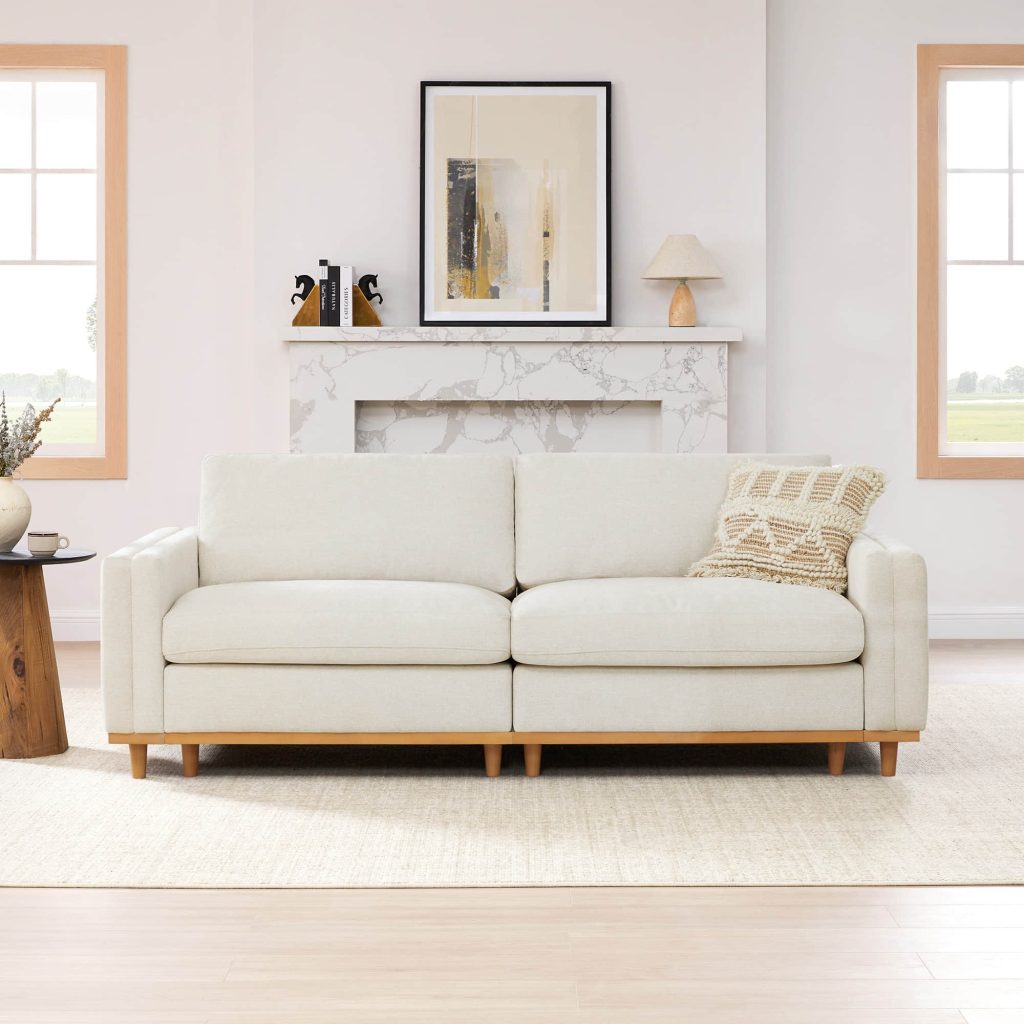
You’ve finally found a loveseat that catches your eye—sleek lines, rich upholstery, and just the right size for your living room. Then reality sets in: sticky fingers from after-school snacks, muddy paw prints from an enthusiastic dog, and the inevitable juice spill during family movie night. For many homeowners, the search for seating that looks beautiful without demanding constant worry feels like an impossible balancing act. The good news is that a leather loveseat offers exactly the blend of elegance and practicality that busy households need. Leather naturally resists absorption, wipes clean with minimal effort, and ages gracefully rather than showing wear the way fabric alternatives often do. In this guide, we’ll walk you through the benefits of choosing leather for your family home, highlight essential features like easy-care fabrics and reclining capability, and share actionable tips for selecting a loveseat that fits both your space and your lifestyle perfectly.
Why a Leather Loveseat Is a Smart Investment for Family Homes
When you compare leather to fabric upholstery, the difference in lifespan becomes immediately clear. A well-made leather loveseat can last fifteen to twenty years or more, while fabric alternatives often show pilling, fading, and structural wear within five to seven years. Leather’s natural fiber structure resists tearing and punctures far better than woven textiles, making it a practical choice for households where furniture endures daily use from children, pets, and guests alike.
Beyond durability, leather carries a timeless aesthetic that adapts effortlessly to evolving decor trends. Whether your living room leans toward mid-century modern, farmhouse warmth, or contemporary minimalism, a leather loveseat anchors the space without clashing. Its rich texture adds visual depth that synthetic materials struggle to replicate, and as it develops a natural patina over the years, it gains character rather than looking worn out.
Comfort is another area where leather excels for families. The material naturally adjusts to body temperature—cool in summer and warming quickly in winter—so it remains inviting year-round. High-density foam paired with leather upholstery provides firm yet yielding support that holds up through countless movie marathons and bedtime stories. If maintenance concerns have kept you from considering leather in the past, modern protective finishes and straightforward cleaning techniques have made caring for leather furniture simpler than ever, a topic we’ll explore in detail shortly.
Essential Features to Look for in Modern Leather Loveseats
Today’s leather loveseats go far beyond simple two-seat sofas. Manufacturers have responded to how families actually live by integrating features that boost functionality without sacrificing style. When shopping, focus on three core attributes that separate a good loveseat from a great one: flexible configuration, relaxation-enhancing mechanisms, and ergonomic design built for everyday comfort. Understanding these features helps you invest in comfortable furniture that serves your household for years rather than months.
The Versatility of Modular Loveseats
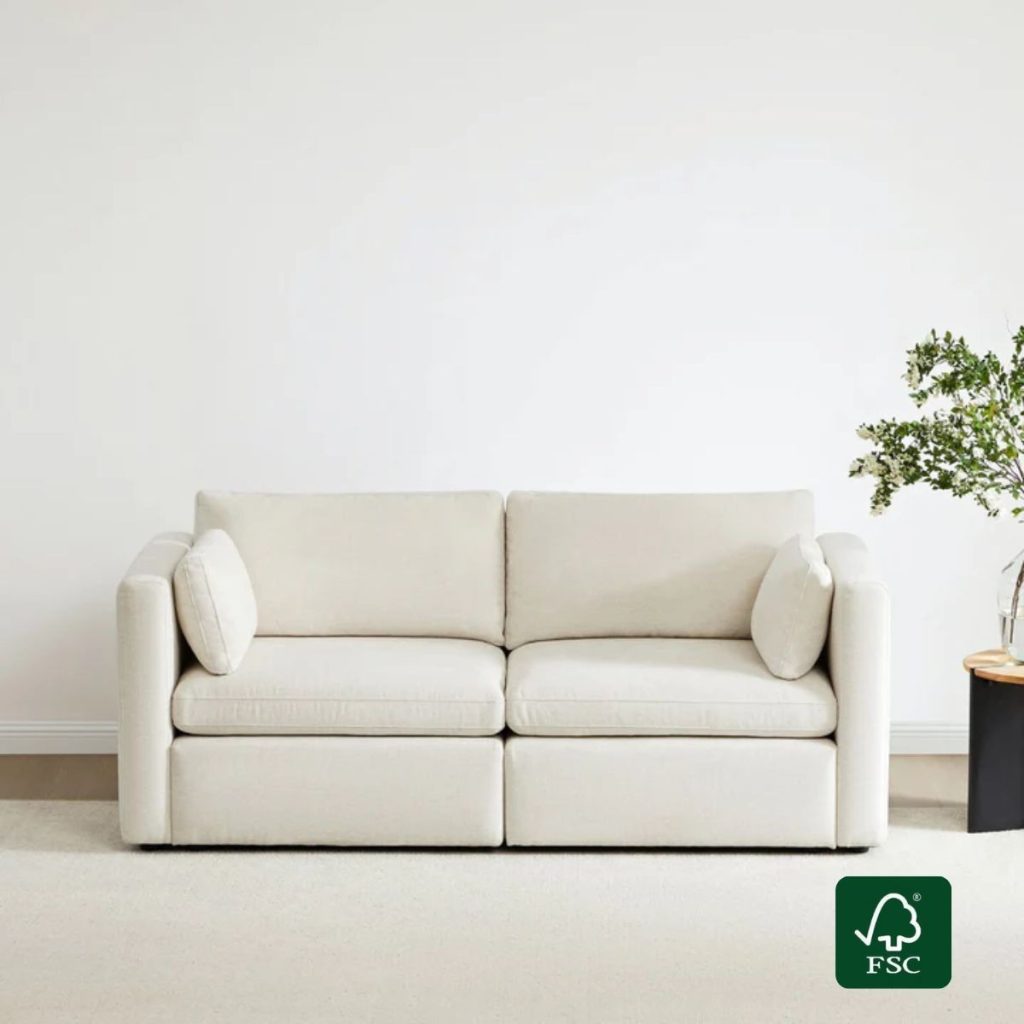
Modular loveseats let you rearrange individual sections to suit changing needs—push them together for cozy family time, separate them for independent reading corners, or reconfigure when guests arrive. This adaptability proves especially valuable in smaller living rooms or open-plan spaces where a fixed footprint limits your layout options. Rather than replacing furniture when you rearrange a room or move to a new home, modular pieces simply shift with you.
Enhancing Comfort with Reclining Capability
Reclining capability transforms a loveseat from basic seating into a relaxation station. Manual recliners offer reliability with a simple lever or push-back mechanism, while power recliners let each person adjust their angle independently at the touch of a button—ideal during movie nights when one person wants to stretch out and another prefers sitting upright. Some models include USB charging ports and adjustable headrests, adding convenience without requiring additional furniture.
Prioritizing Comfortable Furniture for Daily Use
Long-term comfort depends on what’s beneath the leather. Look for high-resilience foam cushions that resist flattening over time, reinforced with sinuous spring or pocket coil systems that distribute weight evenly. Lumbar support built into the backrest reduces strain during extended sitting, while padded armrests at a natural height prevent shoulder tension. These ergonomic details ensure every family member—from toddlers climbing up to grandparents settling in—feels genuinely supported throughout daily use.
Easy-Care Solutions for Homes with Children and Pets
Living with children and pets means your furniture faces challenges that go far beyond normal wear. Crayons, pet claws, spilled milk, and muddy paws are daily realities—not rare accidents. The right leather loveseat paired with smart maintenance habits can handle all of this without requiring you to hover over your furniture with a cleaning cloth every hour. The key lies in selecting the appropriate leather type from the start and building simple protective routines into your weekly schedule.
Choosing the Right Easy-Care Leather and Fabrics
Not all leather performs equally in a family environment. Protected (or pigmented) leather features a polymer surface coating that acts as a barrier against spills, stains, and scratches—making it the most forgiving option for homes with young children and animals. Semi-aniline leather offers a middle ground, providing a slightly more natural look while still retaining a thin protective topcoat that resists moderate wear. Bonded leather, while budget-friendly, tends to peel and crack under heavy use, so it’s generally worth avoiding if longevity matters to you. For accent cushions, throw pillows, and blankets layered over your loveseat, choose easy-care fabrics like microfiber, Crypton-coated textiles, or outdoor-rated polyester blends. These materials are machine-washable, resist pet hair adhesion, and dry quickly after spot cleaning—giving you a practical way to add color and softness without introducing maintenance headaches.
Practical Maintenance and Cleaning Strategies
Establishing a straightforward routine keeps your leather loveseat looking fresh without consuming your weekends. Start with a daily habit of wiping surfaces with a dry microfiber cloth to remove dust, crumbs, and pet dander before they settle into creases. When spills happen—and they will—blot immediately with a clean, damp cloth rather than rubbing, which can push liquids deeper into the grain. For weekly cleaning, mix a few drops of mild dish soap into warm water, dampen a soft cloth, and gently wipe all surfaces before drying with a separate towel. Every three to four months, apply a leather conditioner designed for your specific finish type. Conditioning prevents the material from drying out and cracking, which is especially important in homes with central heating or air conditioning that reduces ambient humidity. For households with pets, keep claws trimmed regularly and consider placing a washable throw over favorite lounging spots as a sacrificial barrier. These preventive steps take minutes but add years to your loveseat’s lifespan, ensuring it remains a centerpiece rather than a source of stress.
How to Choose and Style Your Leather Loveseat for a Perfect Fit
Before falling in love with a particular model online or in a showroom, grab a tape measure and map out your available space. Record the width, depth, and height of the area where your loveseat will live, then subtract at least three inches on each side for breathing room and clearance for reclining mechanisms if applicable. Consider traffic flow—a loveseat placed against a wall needs less clearance than one used as a room divider between a living area and dining space. If your room is narrow, a compact loveseat with a shallower seat depth prevents the space from feeling cramped while still offering genuine two-person comfort.
Color selection plays a significant role in how well your loveseat integrates with existing decor. Rich browns and warm cognacs work beautifully in traditional or farmhouse settings, pairing naturally with wood tones and earth-colored textiles. Black and charcoal leather lend themselves to modern or industrial spaces, while lighter shades like tan or cream brighten smaller rooms—though they require slightly more vigilance around stains. When in doubt, choose a mid-tone neutral that won’t compete with statement pieces like patterned rugs or bold wall art.
Styling accessories bring personality without overwhelming the loveseat’s clean lines. A textured throw draped over one arm adds warmth and provides a quick cover for high-use zones, while two or three accent pillows in complementary tones introduce color without cluttering the seat. Pairing your leather loveseat with wooden accent furniture—such as a side table or bookshelf from brands like Chitaliving—creates a warm, cohesive look that balances the sleekness of leather with natural wood textures. A small side table within arm’s reach keeps remotes, drinks, and books accessible, reducing the temptation to balance items on cushions. Finally, before purchasing, verify warranty coverage for the frame, cushions, and leather separately—quality manufacturers typically offer five years or more on structural components. Read retailer return policies carefully, and whenever possible, test the loveseat in person to confirm seat height and firmness match your family’s preferences.
Your Path to Lasting Comfort and Style
A leather loveseat stands out as one of the smartest seating investments a family can make, combining lasting durability with a refined appearance that elevates any living space. Unlike fabric alternatives that show their age within a few years, quality leather develops character over time while standing up to the daily demands of children, pets, and busy schedules. By prioritizing features like reclining capability for personalized relaxation and modular configurations for flexible layouts, you ensure your loveseat works with your lifestyle rather than against it. Pairing your choice with easy-care fabrics on accessories and committing to simple maintenance routines—regular wiping, prompt spill management, and periodic conditioning—keeps your furniture looking its best without adding stress to your week. As you move forward with your purchase, measure your space carefully, select a leather finish that matches your household’s activity level, and verify warranty coverage before committing. With these steps in mind, you’re well-equipped to choose a leather loveseat that delivers comfort, style, and effortless upkeep for your family home for many years to come.
