Singapore’s food scene has long attracted attention for its wide mix of culinary influences, and cakes hold a strong place within that culture. Across the island, bakeries and dessert cafés present an impressive selection of creations shaped by Asian flavours, European pastry methods, and contemporary dining preferences. A cake shop in Singapore often combines artistic presentation with carefully balanced flavours to meet the expectations of both local customers and international visitors. Cake shops no longer serve only as places for birthdays and celebrations. Many have become social spaces where customers gather for afternoon tea, casual meetings, or a quiet break from the pace of city life. The rise of speciality bakeries reflects a stronger appreciation for craftsmanship, flavour balance, and visual detail. Customers now seek cakes that deliver memorable taste experiences alongside attractive presentation, leading bakeries to refine their menus with greater creativity and precision.
A Blend of Cultural Influences
Singapore’s multicultural background has shaped the character of its desserts in remarkable ways. Chinese, Malay, Indian, and Western traditions contribute ingredients and techniques that give local cakes a distinctive identity. A single bakery menu may feature buttery French-style pastries beside soft sponge cakes infused with regional flavours. This combination creates desserts that feel familiar to local diners yet are appealing to international visitors. Traditional ingredients such as coconut, gula melaka, yam, and pandan frequently appear in modern recipes, giving classic cakes a local touch. Bakers continue experimenting with flavour pairings that balance sweetness with fragrance and texture, producing desserts that stand apart from standard confectionery offerings found elsewhere.
Signature Cakes with Local Character
Several cakes have become closely associated with Singapore’s dessert culture. Pandan chiffon cake remains one of the most recognisable examples, admired for its airy texture and fragrant aroma. The bright green shade derived from pandan leaves gives the cake a striking appearance without relying heavily on artificial colouring. Durian cakes have also gained attention among adventurous diners who appreciate the fruit’s rich flavour and creamy consistency. Though opinions on durian often vary sharply, its popularity in desserts continues to grow among locals and tourists alike. Other bakeries incorporate ingredients such as lychee, mango, matcha, black sesame, and salted egg into layered cakes and pastries. These flavour combinations present a stronger sense of regional identity and contribute to Singapore’s reputation for inventive desserts.
Bakers Shaping the Industry
Behind many successful cake shops are pastry chefs who bring international training and personal artistic direction into their work. Numerous bakers study in culinary schools abroad or gain experience in luxury hotels before returning to Singapore to establish independent bakeries. Their exposure to global pastry techniques contributes fresh ideas that influence the local dessert market. Precision, texture, and presentation receive considerable attention during the baking process, resulting in cakes that reflect technical skill alongside creativity. Customers increasingly appreciate handcrafted products prepared in smaller batches rather than mass-produced desserts. This preference encourages bakeries to focus on quality ingredients and refined finishing touches that distinguish their products from conventional commercial cakes.
The Importance of Visual Presentation
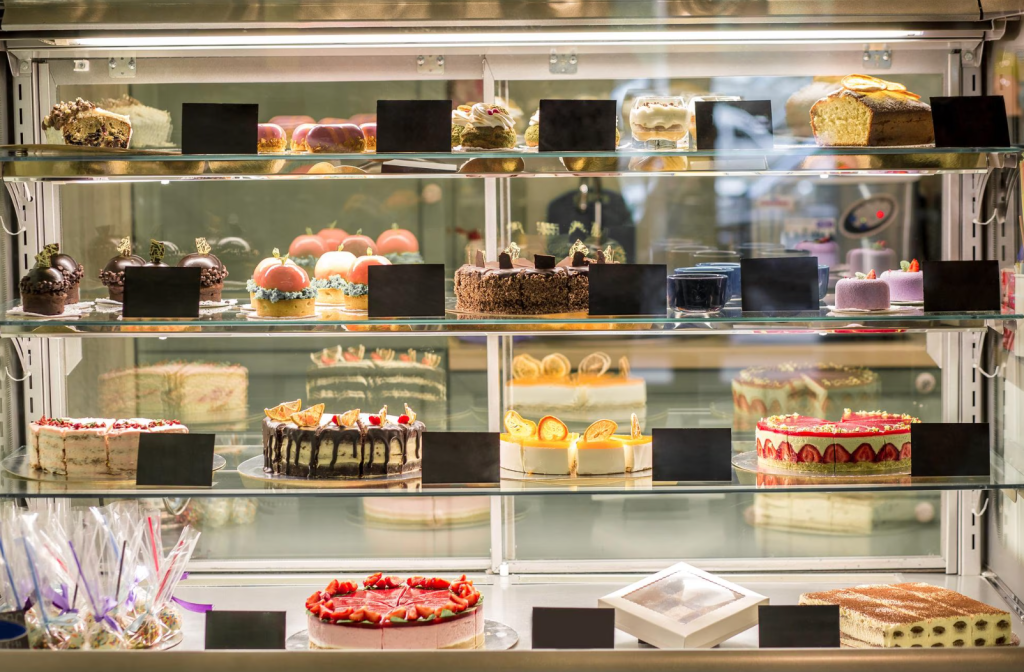
Cake presentation carries a strong influence within Singapore’s dining culture. Social media platforms have shaped customer expectations, leading bakeries to place greater emphasis on visual appeal. Elegant floral decorations, minimalist designs, textured frostings, and carefully layered interiors frequently appear in bakery displays. Seasonal collections tied to festive occasions such as Lunar New Year, Christmas, and Mid-Autumn Festival introduce limited-edition cakes with decorative themes that attract eager customers. The visual aspect of dessert culture has encouraged pastry chefs to treat cakes as artistic creations rather than simple sweet dishes. Attractive displays inside bakery counters often become part of the customer experience, drawing attention long before the first bite.
Cake Shops with Distinct Atmospheres
Cake shops throughout Singapore vary greatly in style and atmosphere. Some cafés embrace vintage décor inspired by colonial architecture, offering a calm and nostalgic setting. Others feature modern interiors with clean lines, muted colours, and contemporary furniture that appeal to younger customers seeking stylish dining spaces. Independent neighbourhood bakeries maintain a more intimate environment where regular patrons develop familiarity with staff and menu offerings. This diversity gives customers many choices depending on personal preference, occasion, or mood. The environment surrounding the dining experience contributes strongly to the popularity of cake cafés across the island, transforming them into destinations rather than simple takeaway shops.
Hidden Bakeries and Community Support
Beyond famous establishments located in shopping districts and commercial centres, smaller bakeries operating in residential neighbourhoods continue gaining recognition. Many attract loyal followings through customer recommendations and online exposure. Social media photography, customer reviews, and food-focused content creators contribute significantly to the popularity of these lesser-known spots. Independent bakery owners often develop strong relationships with their communities through personalised service and carefully curated menus. Their smaller scale allows greater flexibility with experimental flavours and seasonal products, giving customers fresh reasons to return regularly. These hidden gems contribute depth to Singapore’s dessert culture and strengthen the sense of discovery connected to local dining.
Sustainability and Changing Consumer Preferences
Environmental awareness has gradually influenced bakery operations across Singapore. Customers increasingly favour businesses that adopt responsible sourcing practices and environmentally friendly packaging. Some bakeries now use recyclable materials, reduce plastic usage, and work with suppliers who prioritise ethical farming practices. Interest in healthier desserts has also encouraged bakers to introduce cakes with reduced sugar levels, plant-based ingredients, and alternative flour options. Dietary preferences continue shaping bakery menus, leading to broader selections that cater to vegan, gluten-free, or lower-calorie lifestyles. This shift reflects changing consumer expectations and demonstrates how cake shops adapt to modern dining habits without compromising flavour or presentation.
Technology and Convenience in Modern Bakeries
Digital platforms have transformed how customers interact with cake shops. Online ordering systems, delivery services, and custom cake platforms allow bakeries to reach wider audiences beyond physical storefronts. Customers can browse cake collections, personalise designs, and arrange delivery through mobile applications and websites with minimal effort. During festive seasons and celebrations, online reservations help bakeries manage high demand more efficiently. Technology has strengthened convenience for customers and opened new opportunities for bakery owners seeking stronger visibility in a competitive market. Digital communication channels also help bakeries share seasonal launches, promotional campaigns, and behind-the-scenes content that strengthens customer engagement.
Conclusion
Singapore’s cake culture reflects the country’s broader appreciation for culinary diversity, creativity, and craftsmanship. Local bakeries continue blending traditional flavours with modern pastry techniques, producing desserts that appeal to both residents and international visitors. From elegant café settings to hidden neighbourhood bakeries, the variety available across the island contributes richness to the overall dining experience. Skilled pastry chefs, artistic presentation, and evolving customer preferences continue shaping the direction of the industry. Sustainability efforts and technological advancements further support the growth of modern cake businesses, allowing them to remain relevant within an increasingly competitive market. With continuous innovation and strong cultural influence, Singapore’s cake scene remains a compelling part of the nation’s culinary identity.
