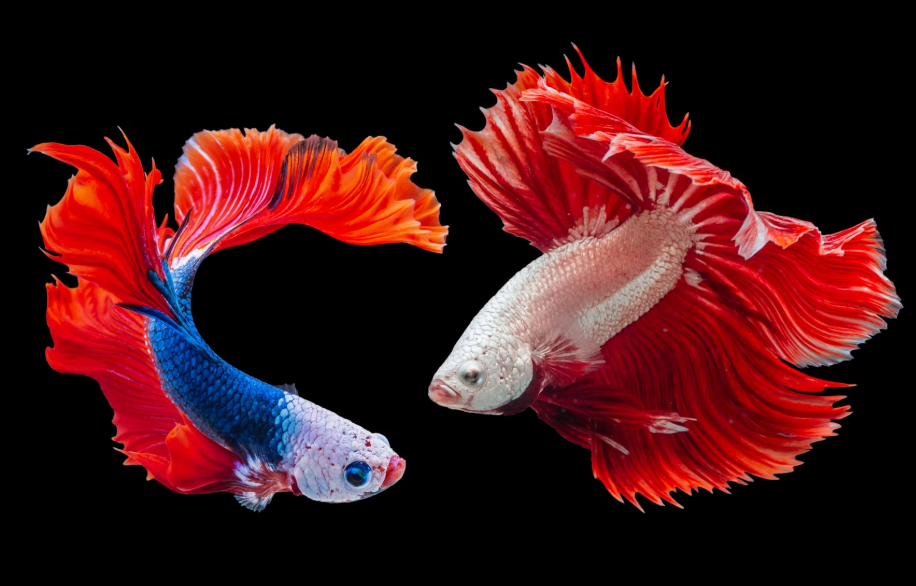
Giant Betta fish have earned a strong following among freshwater aquarium enthusiasts who appreciate fish with a commanding appearance and engaging personalities. Their larger size, vivid color patterns, and elegant fins distinguish them from standard Betta splendens, making them a striking feature in both beginner and advanced aquariums. Many hobbyists enjoy collecting different color varieties and fin types, creating displays that showcase the diversity found within this remarkable species. Interest in giant Bettas continues to grow as more aquarists discover the wide selection available through reputable breeders and specialist retailers.
A carefully curated giant Betta collection gives collectors access to healthy specimens in a broad range of colors, patterns, and bloodlines, making it easier to find fish suited to individual preferences and aquarium setups. Click tropicflow.com/collections/giant-betta-collection to see the collection.
What Makes Giant Betta Fish Different
Giant Bettas belong to the same species as traditional Betta splendens, though selective breeding over many generations has produced fish with noticeably larger bodies and stronger overall proportions. Adult giant Bettas commonly reach between seven and ten centimeters in length, giving them almost twice the body mass of standard Bettas. Their larger frame often supports fuller fins, broader heads, and a more powerful swimming style that immediately attracts attention inside an aquarium.
Breeding programs focus on producing fish with healthy body structure, attractive fin development, and stable color genetics. Careful pairing allows breeders to preserve desirable characteristics across successive generations. This approach has introduced an impressive selection of color combinations, including deep blue, brilliant red, metallic copper, solid white, marble, koi-inspired patterns, and multicolored varieties. Every fish develops its own markings, allowing collectors to build an aquarium filled with unique specimens rather than identical displays.
Choosing the Right Aquarium for Giant Bettas
Providing a suitable environment plays a major part in keeping giant Bettas healthy throughout their lives. Their larger size calls for more swimming space than standard Bettas, making a tank of at least 20 liters a practical minimum. Larger aquariums often provide greater water stability, additional room for decoration, and more space for natural behavior.
Clean water supports long-term health and reduces the likelihood of common illnesses. Many experienced keepers maintain water temperatures between 24°C and 27°C, with a pH level close to neutral. Partial weekly water changes help remove waste and maintain consistent water quality. A gentle filtration system keeps the aquarium clean without creating strong currents that may exhaust these fish. Live plants, floating vegetation, smooth rocks, driftwood, and shaded resting areas create a comfortable environment that encourages natural exploration and reduces unnecessary stress.
Nutrition That Supports Healthy Growth
A nutritious diet contributes to healthy development, strong immune function, and vibrant coloration. Premium Betta pellets with a high protein content provide a dependable daily food source. Variety can be introduced through frozen or live foods such as bloodworms, brine shrimp, mosquito larvae, and daphnia. These foods closely resemble natural prey and provide additional nutrients that support muscle development and overall condition.
Feeding moderate portions twice each day helps maintain healthy body weight without placing unnecessary strain on the digestive system. Uneaten food should be removed shortly after feeding to preserve water quality. Owners who follow a consistent feeding routine often notice stronger activity levels, brighter colors, and better overall condition throughout the fish’s life.
Understanding Giant Betta Behavior
Giant Bettas display curious and intelligent behavior that makes them enjoyable to observe. Many quickly recognize feeding schedules and respond when their owner approaches the aquarium. Individual personalities differ considerably, with some fish appearing calm and inquisitive, whereas others display stronger territorial instincts.
Male giant Bettas are usually housed individually to reduce aggressive encounters. Aquarists interested in a community aquarium should select compatible species with care. Peaceful bottom-dwelling fish such as Corydoras catfish often coexist successfully, along with calm schooling species that remain in different areas of the aquarium. Dense aquatic plants, decorative caves, driftwood, and visual barriers create separate spaces that help reduce territorial behavior and provide shelter for all aquarium inhabitants.
Breeding Giant Betta Fish Successfully
Breeding giant Bettas requires patience, preparation, and close observation throughout every stage of the process. Healthy breeding pairs are commonly conditioned with a varied, protein-rich diet before being introduced into a dedicated breeding aquarium containing warm, clean water and calm surroundings.
The male constructs a bubble nest near the water surface before courtship begins. After spawning, the female is usually removed, allowing the male to guard the eggs and maintain the nest until hatching occurs. Newly hatched fry require stable water conditions, frequent monitoring, and appropriately sized foods such as infusoria and freshly hatched brine shrimp. As the young fish mature, gradual changes in diet and aquarium space support healthy growth and development.
Popular Colors and Fin Types
One of the most appealing aspects of a giant Betta fish collection is the remarkable diversity available across different breeding lines. Collectors can choose from popular fin types including Halfmoon, Crowntail, Veiltail, Double Tail, Plakat, and Delta varieties. Each fin shape creates a distinctive appearance that adds visual interest to an aquarium.
Color choices are equally impressive. Solid blue, rich red, black, white, yellow, metallic copper, turquoise, marble, butterfly, koi, dragon scale, and piebald patterns are among the many options available. Some giant Bettas continue developing new shades and markings as they mature, making each fish an individual display piece that changes over time.
Building a Responsible Giant Betta Collection
Collecting giant Bettas involves more than selecting attractive fish. Responsible fish keeping begins with purchasing specimens from reputable breeders and trusted aquarium suppliers that maintain healthy breeding practices and high welfare standards. Healthy stock, responsible transport methods, and careful attention to genetics contribute to stronger fish with fewer inherited health concerns.
Owners who research the care requirements before purchasing new fish are often better prepared to provide suitable housing, stable water conditions, balanced nutrition, and routine maintenance. Regular observation helps identify behavioral changes that may indicate health concerns, allowing treatment to begin before problems become more serious. Responsible ownership supports both individual fish welfare and the continued development of high-quality breeding programs.
Conclusion
A giant Betta fish collection offers far more than visual appeal. These impressive freshwater fish combine striking colors, distinctive fin shapes, engaging personalities, and fascinating behavior, making them rewarding additions to many home aquariums. Success with giant Bettas comes from thoughtful preparation, suitable aquarium conditions, consistent maintenance, and a nutritious feeding routine. Collectors who invest time in understanding their needs are rewarded with healthy fish that remain active, colorful, and full of character for years. Whether someone is purchasing their first giant Betta or expanding an established collection, selecting healthy specimens from a trusted source provides an excellent starting point for building a thriving and visually impressive freshwater aquarium.
