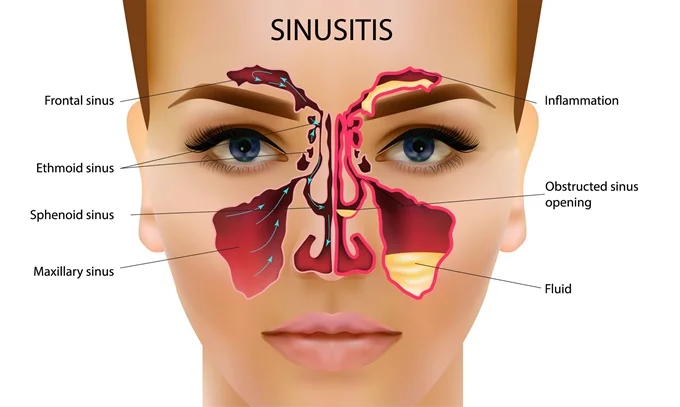
A stuffy nose may seem harmless, yet it can affect much more than breathing. You might feel unsteady without realizing sinus pressure could play a surprising role. That strange sensation can appear during routine activities and leave everyday tasks uncomfortable. The connection between congestion and balance remains unfamiliar to many people facing these symptoms.
Pressure near delicate ear structures may interfere with signals that support physical stability. This hidden link explains why dizziness sometimes appears alongside facial discomfort and blocked passages. A closer look at these symptoms can reveal reasons behind unexpected balance-related concerns. This article explains how sinus pressure can contribute to dizziness and related sensations.
Sinus Pressure Can Affect Your Balance System
Many people wonder whether sinus troubles explain strange balance changes that appear without warning. But can a sinus infection make you dizzy? The answer relates to pressure shifts near delicate ear structures that help maintain stability. When congestion fills sinus passages, nearby tissues may react, which leaves movement sensations less predictable.
Blocked Ears Can Disrupt Normal Equilibrium
The ears and sinuses share close connections, which means trouble in one area affects the other. Pressure buildup may interfere with natural airflow inside ear passages and alter physical comfort. A person may notice lightheaded feelings during routine activities that previously felt completely normal. These changes sometimes create uncertainty, particularly when symptoms appear alongside facial discomfort or fullness.
Inner Ear Changes May Create A False Sense Of Motion
Balance depends on accurate signals that travel between the ears, eyes, and brain. Extra pressure near sensitive structures can distort those messages and create unusual movement perceptions. Some individuals feel as though their surroundings shift slightly, even though everything remains completely still. This experience can feel unsettling and may reduce confidence during ordinary tasks outside the home.
Facial Congestion Can Lead To Disorientation
Heavy sinus congestion may contribute to mental fog and reduced spatial awareness. Pressure within affected cavities can influence nearby regions that support orientation and bodily control. A person might struggle with concentration when discomfort combines with sensations of imbalance. Those symptoms rarely appear identical, which explains why experiences differ from one individual to another.
Certain Movements May Make Symptoms More Noticeable
Position changes sometimes reveal balance problems that remain hidden during quiet periods of rest. Simple actions such as standing, bending, or turning may trigger stronger sensations unexpectedly. The following are the common situations where dizziness may feel more noticeable:
Situations That Can Trigger Stronger Symptoms
- A quick rise from a chair may create brief instability and uncertainty.
- Extended downward gazes can increase discomfort and affect overall balance perception.
- Rapid head turns may exaggerate pressure-related sensations within nearby ear structures.
- A forward bend to pick up objects may reduce equilibrium temporarily.
- Fast walking upstairs may increase dizziness and weaken balance control.
- Sudden position changes during routine tasks may trigger stronger symptoms.
The Sinus Ear Connection Explains More Than Most People Realize
Many people focus only on nasal symptoms and overlook the relationship between the ears and sinuses. That connection helps explain why congestion sometimes accompanies dizziness, imbalance, or unusual motion sensations. Pressure changes near neighboring structures can influence how the body interprets position and movement. A clearer understanding of this relationship may encourage timely attention when symptoms become persistent.
Sinus pressure can affect more than nasal comfort and may influence balance in unexpected ways. Many people ask, ‘Can a sinus infection make you dizzy?’, and the connection is certainly possible. Recognition of how congestion affects nearby ear structures can help explain unusual sensations and discomfort. Get expert sinus care and regain steady balance with confidence.
