Have you ever walked into a living room and immediately felt at ease, without quite knowing why? That instant sense of comfort rarely happens by accident. It grows out of thoughtful choices about scale, texture, color, and the way each piece invites people to sit, gather, and stay a while. The living room is where mornings begin with coffee, where friends drop in on weekends, and where quiet evenings unfold at the end of long days. When furniture supports all of these moments gracefully, a house begins to feel like a home. So what really turns an ordinary lineup of sofas, chairs, and tables into a space that resonates with the people who live there? The answer lies in a mix of design sensibility, honest craftsmanship, and a clear understanding of how you actually live. In the sections ahead, we look at the qualities that separate forgettable furniture from pieces you love for years.
Why Does Comfort Come Before Everything Else?
Ask anyone who has ever tried to relax on a beautiful but stiff sofa, and they will tell you the same thing: looks fade quickly when your back aches. Comfort is the foundation of any successful living room, which is why the search for the right living room furniture should start with how a piece feels rather than how it photographs. Seat depth, cushion density, backrest angle, and armrest height all shape whether a chair welcomes you or wears you out. Some people love a deep, lounge-style sofa that encourages long movie nights, while others prefer an upright silhouette that supports reading or conversation. Neither is objectively better; they simply serve different lives. When you shop, sit on every option long enough to notice how your posture settles. The pieces that hold you comfortably after five minutes tend to be the ones that will still please you after five years.
How Does Scale Shape a Room?
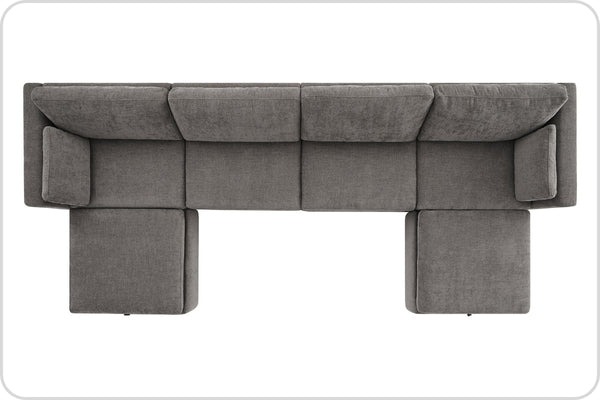
A common mistake in living rooms is choosing pieces that ignore the proportions of the space. Oversized sectionals can swallow a small apartment, while dainty chairs get lost in a large loft with tall ceilings. Before buying anything, measure your room, mark doorways, and consider the path people take when they walk through. Painter’s tape on the floor is a simple trick for visualizing furniture footprints. Aim for balanced negative space so the room breathes and traffic flows easily around each piece. A well-scaled room feels intentional even before you add art or accessories. If you love a particular sofa but it dominates the layout, consider a smaller variation or a modular design that can be reconfigured as your needs evolve. Scale is not about following rules; it is about honoring the natural rhythm of your daily routine.
What Role Do Materials and Craftsmanship Play?
Furniture is one of the few purchases you touch every single day, which is why materials matter more than most people realize. Hardwood frames stand up to years of use, while engineered alternatives can warp or wobble sooner than you would expect. Upholstery fabrics vary widely in durability, and rub-count ratings offer a helpful shorthand for how a textile will age. Performance weaves resist stains and pet claws without feeling plastic to the touch, and boucle, chenille, and linen blends each carry a distinct personality. Joinery deserves attention too. Corner blocks, kiln-dried frames, and eight-way hand-tied springs are markers of pieces built to last. Brands that specialize in modern craftsmanship, such as CHITA LIVING, often publish these construction details openly, which helps buyers compare quality rather than relying on price alone. Investing in a well-built sofa or accent chair almost always costs less over a decade than replacing something cheaply made every few years.
Which Colors and Textures Create Harmony?
Color and texture are the emotional language of a living room. A single palette rarely fits every household, but a few guiding ideas make the process easier. Start with a neutral anchor, usually the largest piece, and layer accent tones through pillows, throws, and secondary seating. Warm neutrals like oatmeal, greige, and camel tend to feel welcoming year-round, while cooler tones such as slate, ivory, or muted olive create a calm, contemplative mood. Texture adds depth even when the palette stays quiet. Combine a soft velvet chair with a nubby wool rug and a smooth wood coffee table, and the room instantly gains dimension. Avoid matching too many finishes exactly, since perfectly coordinated sets can feel showroom-flat. Instead, aim for pieces that speak to one another through shared undertones or complementary shapes.
How Do You Plan for the Life You Actually Live?
The most stylish living room falls short if it does not match your daily reality. Households with children need durable finishes and easy-clean fabrics. Pet owners benefit from tightly woven upholstery and lower-shed materials. Remote workers may want a lounge chair that doubles as a quiet reading spot away from a shared workspace. Frequent hosts appreciate flexible seating, nesting tables, and ottomans that can move where they are needed. Think through a typical week and let those patterns guide your choices. If you tend to gather around the television, position seating in a soft U-shape so no one strains to see. If conversation matters more, angle chairs and sofas toward each other. Furniture that respects your habits rewards you every day, quietly making life smoother rather than demanding constant adjustment.
Building a Room You Never Want to Leave
A living room truly comes alive when its furniture reflects the people who use it. Comfort, scale, craftsmanship, color, and lifestyle all work together, and no single element carries the room on its own. When you slow down and pay attention to how each piece feels, fits, and functions, the result is a space that welcomes you home again and again. Trends will keep shifting, but well-chosen furniture rooted in honest construction and thoughtful proportion tends to outlast them all. Whether you are refreshing a single corner or rethinking the entire room from scratch, let your daily life lead the way. The best living rooms are not staged for photographs; they are shaped for real mornings, real conversations, and real rest. Choose pieces with that in mind, and the room will keep giving back for years to come.
