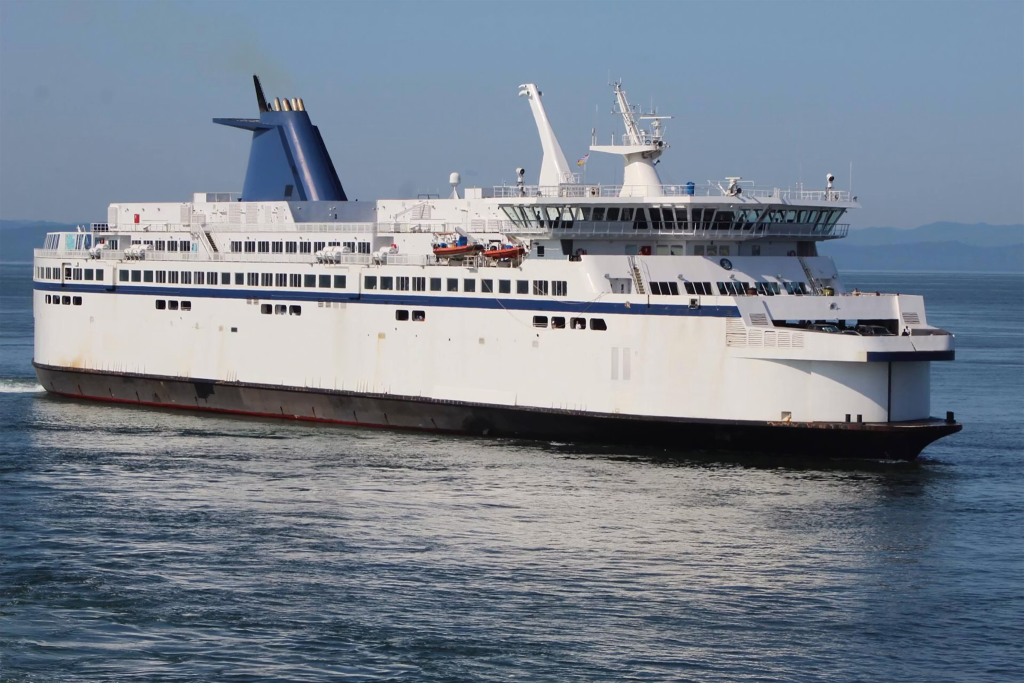
Ask anyone who has waited on a quay in Piraeus for a boat to Naxos, and they will tell you the printed timetable is more of a suggestion than a promise. A 14:30 departure can slide to 16:00 without an announcement, and the next sailing to the same island might not exist for two days. The Aegean runs on wind, tide, and a ferry company’s internal math about how many passengers justify a half-empty crossing in October.
Locals have made peace with the drift, filling dead hours with coffee, cards, or a phone screen; plenty pull up a round at sankra casino while the loudspeaker stays silent, treating the delay as bonus downtime rather than lost time. Visitors who expect train-station precision usually spend that same hour pacing and checking a departures board that refuses to update.
Why Delays Feel Built Into the Schedule
Greek ferry operators publish two timetables a year, one for the April-to-October high season and a thinner winter version, and both get revised mid-run when a company adds or drops a vessel. Three things routinely knock a posted departure off course, and none of them show up on the ticket:
- Seasonal thinning, where a daily August route drops to three sailings a week by November with no push notification
- The meltemi wind, which can gust past 40 knots through the central Cyclades and ground smaller catamarans while larger ferries keep sailing
- Cargo priority, since trucks and island supplies board before passengers on many routes, pushing the whole schedule back
Book the 08:15 catamaran to Ios and you might still be on the quay when the older, heavier ferry to the same island pulls out an hour behind you, wind having grounded your boat while its bulkier rival sails on regardless.
Reading a Timetable Like a Local
Locals rarely trust the departure time printed on a ticket; they trust the vessel name, because a specific ship’s habits are more predictable than a company’s stated schedule. The Blue Star Delos, for instance, has a reputation for running close to its posted time on the Piraeus-Santorini route, while smaller catamarans absorb far more schedule slippage.
| Route | Typical Duration | Common Delay Cause |
| Piraeus – Mykonos | 2.5-5 hrs | Vessel type, sea state |
| Piraeus – Santorini | 5-8 hrs | Multiple port calls |
| Rafina – Andros | 2 hrs | Wind on open crossing |
| Piraeus – Crete (overnight) | 9-11 hrs | Cargo loading time |
What Seasoned Travelers Do Differently
Frequent island-hoppers stop treating the ferry ticket as a fixed appointment and start treating it as a rough estimate with a two-hour margin either side. They book the first inter-island connection of the day whenever possible, since morning departures absorb weather and mechanical delays far better than the last sailing, which can simply be cancelled outright with no later option.
They also check the Hellenic Coast Guard’s daily port-closure bulletin rather than the ferry company’s app, since the bulletin reflects an actual wind-speed decision, while the app often still shows a sailing as “on time” minutes before it is grounded. That single habit alone saves most of the frustration first-time visitors report.
Pack for the Wait, Not Just the Trip
A seasoned traveler’s daypack carries a phone charger, a paperback, and cash for a taverna meal, because card readers at small island ports go offline more often than the boats do. None of this is glamorous advice, but it is the difference between a two-hour delay feeling like an inconvenience and feeling like the start of a bad day. Sunscreen and a hat matter more than most people expect, since waiting areas at smaller ports are often open concrete with no shade, and a delayed midday sailing can mean ninety minutes of direct August sun before boarding even begins.
Track the Boat, Not the Clock
Apps like Marine Traffic let anyone watch a specific vessel’s live position rather than rely on a printed time, and locals check them the way commuters elsewhere check a train tracker. If the boat has not left its previous port yet, no timetable revision will make it arrive on schedule.
Swap the habit of clock-watching for boat-tracking and the whole system stops feeling random; it just runs on its own logic instead of yours. The ferries still run late. Ask a port worker in Rafina how long they have done the job, and most will say the schedule was never the real point; the boats arrive when the sea allows them to, and printed times exist mainly to give travelers something to plan around. The travelers who understand that distinction simply stop being surprised by delays, and spend the extra hour somewhere more pleasant than a folding chair by the ticket booth.
