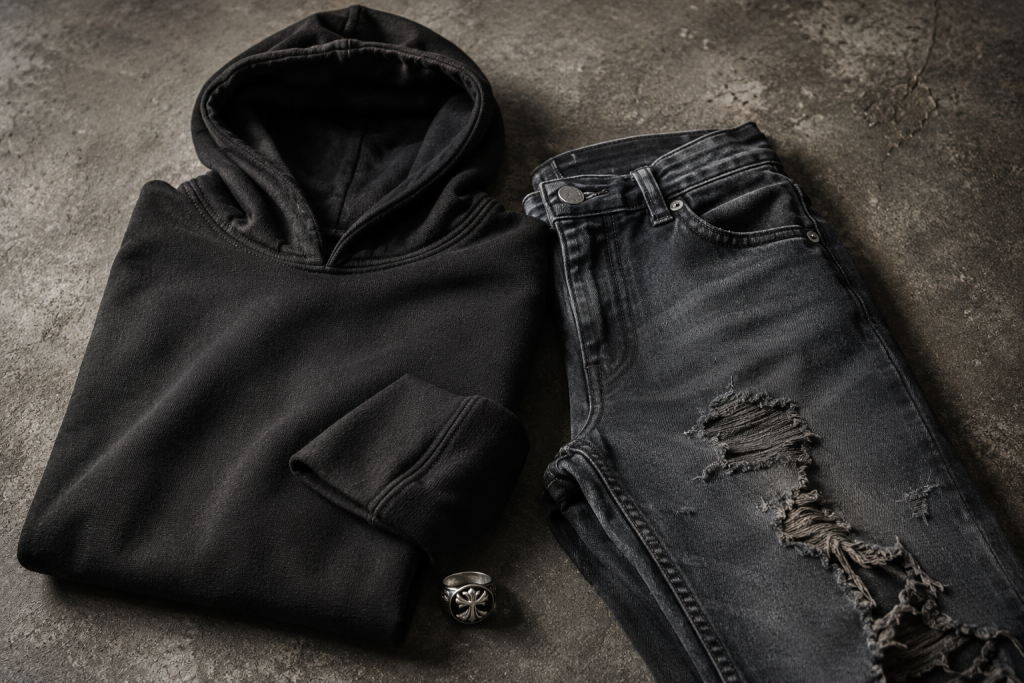
What “Built to Last” Really Looks Like in Streetwear
Most clothes look amazing in one photo and tired by the third wash. That gap is the whole problem with shopping for streetwear today. You see a hoodie online, it lands at your door, and then it pills, sags, or fades faster than you expected. So the real skill isn’t spotting what looks cool. It’s spotting what stays cool after six months of actual wear. Heavy cotton matters here, and so does stitching you can feel with your thumb. When I pick up a piece in a store, the first thing I do is bunch the fabric in my fist and let go. Good cotton springs back. Cheap cotton stays crumpled and a little sad. That one test tells you more than any product description ever will. Weight is the other tell. A hoodie that feels like nothing on the hanger will feel like nothing after a wash too, because thin fabric has nowhere to hide. Brands cut grams to cut costs, and you pay for it later in shape. Meanwhile, the pieces that hold up tend to share a few honest traits: dense knit, tight seams, and prints that sit into the fabric instead of on top of it. None of this is glamorous. But it’s the difference between a closet full of favorites and a drawer full of regrets. You’re not buying a look. You’re buying how that look ages, and that’s a slower, smarter way to shop.
Why Fabric Weight Beats Flashy Logos Every Time
Logos grab attention, sure, but they don’t keep a garment alive. Fabric does. Think about it this way: a giant print on flimsy material is just a countdown to cracking. The print stretches every time you move, and thin cotton stretches more, so the design splits sooner. Heavier fabric moves less, which means the graphic on top of it moves less too. That’s why weight quietly protects everything else about a piece. I learned this the slow way, buying a logo-heavy tee that looked sharp for about a month before the print started flaking like old paint. A heavier blank tee I bought the same week still looks fine years later. So now I check the fabric before I even glance at the branding. Honestly, I’d rather wear a plain heavyweight hoodie than a loud lightweight one, and I’ll say that to anyone who asks. Density also affects how a piece drapes on your body. Thin material clings and shows every lump underneath, while denser fabric falls clean and holds a shape you actually want to be seen in. Then there’s warmth and comfort, which both climb with weight up to a point. Of course, heavier isn’t automatically better past a certain threshold, since a hoodie can get so thick it feels like a sleeping bag. The sweet spot sits in the middle, and you find it by handling pieces in person whenever you can. Until then, fabric weight listed in grams per square meter is your best clue online.
The Five Checks I Run Before Buying Anything
Whenever a piece catches my eye, I run the same quick routine before I spend a cent. It takes about a minute, and it has saved me from plenty of bad buys over the years.
- Squeeze the fabric. Bunch it, release it, and watch whether it springs back or stays wrinkled and limp in your hand.
- Check the stitch density. Flip a seam inside out and count the stitches, because tight, even stitching survives the washing machine while loose stitching unravels at the first stretch.
- Test the print or stones. Press a graphic with your thumb, and on bedazzled pieces tug gently at a stone to confirm it’s heat-set deep rather than glued on loosely.
- Read the fit honestly. Decide if it runs true, oversized, or cropped, then compare that to how you actually dress instead of how the model is styled.
- Look up the return window. Confirm the store takes unworn items back within a clear timeframe, since even a careful buyer guesses wrong sometimes.
For the kind of gothic-detailed silver work and heavyweight pieces this routine rewards, the chrome heart aesthetic is a good case study, because the cross motifs and sterling pieces only look right when the base craftsmanship holds up. Run these five checks every time, and you’ll skip most of the mistakes that fill people’s closets with stuff they never wear twice.
Reading a Fit Before It Reaches Your Door
Online shopping hides the one thing that matters most, which is how a piece sits on your real body. Photos lie a little, because a stylist has pinned, clipped, and tucked everything to look perfect for the camera. So you have to read between the lines. Start with the measurements, not the size letter, since a “large” means something different at every brand on earth. Grab a hoodie you already love, lay it flat, and measure the chest and the length with a tape. Then compare those numbers to the product page, which is the only honest apples-to-apples way to judge fit from a screen. Sleeve length trips people up constantly, because a sleeve that looks fine on a tall model can swallow your hands if you’re shorter. Shoulder seams matter too, and a seam that drops past your actual shoulder gives that relaxed streetwear slouch, while a seam sitting right on the bone reads sharper and more fitted. Neither is wrong. It just depends on the look you’re after, and knowing your preference ahead of time saves a return. Rhinestone and graphic placement is another quiet detail, since a design centered for a 6-foot frame can land awkwardly low on a shorter torso. Brands that test cuts on different body types tend to avoid this, though plenty don’t bother. When you’re unsure, sizing down usually sharpens an oversized cut, while sizing up adds slouch to a fitted one. The mood-named, rhinestone-heavy pieces from a label like mixedemotions lean intentionally oversized, so checking the chest measurement there matters more than usual before you commit.
What Actually Justifies a Higher Price Tag
Price and quality aren’t the same thing, and pretending they are gets expensive fast. Some pricey pieces are mostly hype, while some mid-range ones punch way above their cost. So what should actually move the number up? A few things genuinely do.
- Real materials. Sterling silver instead of plated metal, genuine leather instead of coated plastic, and Italian stretch denim instead of stiff generic cotton all cost more because they last longer and feel better against your skin.
- Hand-finishing. Hand-pleated leather patches, hand-set stones, and carefully placed distressing take time and skill, and that labor is a fair reason for a higher price.
- Construction testing. Brands that test cuts across body types and wash-test prints before release spend money you don’t see, but you feel it in how the piece holds up.
- Honest policies. Free shipping thresholds, real tracking, and a return window you can verify before buying are part of the value, not extras.
The luxury denim world shows this clearly, where a brand like amiri builds jeans around heavy Italian stretch denim and hand-finished detailing that explains the cost in a way a flimsy fast-fashion pair never could. Here’s the honest limit, though: even great materials won’t save a piece that fits you badly, so spending more is only smart when the fit is right too. Money buys longevity and feel. It doesn’t buy a good decision. That part is still on you, and it always will be.
Caring for Pieces So They Earn Their Keep
Buying well is only half the job, because how you treat a garment decides how long it actually lasts. Even the best hoodie dies young if you wash it carelessly. So a little routine goes a long way. Cold water is your default, since hot water shrinks cotton, fades color, and loosens heat-set stones over time. Turn pieces inside out before they go in the machine, which protects prints and rhinestones from rubbing against everything else in the load. Then skip the dryer when you can, because high heat is the single fastest way to wreck fit and finish. Air-drying takes longer, but it keeps shape and color for years instead of months. Denim deserves special mention here, since heavy jeans actually improve with careful wear and rare washing. The more you wear quality denim before washing, the better it molds to your body and develops that personal fade pattern. Wash it too often and you flatten all that character right out. Stones and embellishments need a gentle touch too, so a cold hand-wash beats the machine for your most detailed pieces. Storage matters more than people think, and folding heavy knits instead of hanging them stops shoulders from stretching into weird points. Hang structured jackets, fold soft heavy stuff, and your closet stays in better shape overall. None of this takes much effort once it becomes habit. It’s just a handful of small choices that protect the money you already spent, and that’s the whole point of buying good pieces in the first place.
Building a Wardrobe Instead of a Pile
There’s a real difference between collecting clothes and building a wardrobe, and most people don’t notice which one they’re doing. A pile happens when you chase every drop and end up with random pieces that don’t talk to each other. A wardrobe happens on purpose. So start small and build with intent. Pick a base color you actually wear most days, whether that’s black, grey, or something earthy, and let your first few pieces share that family so everything mixes. Two or three solid items beat ten flashy ones you can only wear alone. I tell friends to start with one great hoodie, one versatile pair of pants, and one statement piece, then expand from there once they see how those three combine. From that core, you add slowly. A tee that layers under the hoodie, a pair of shoes that works with the pants, maybe a piece of silver that ties a look together without shouting. Each new addition should answer one question: does this work with at least three things I already own? If the answer is no, it’s probably a pile purchase, not a wardrobe one. Versatility is the quiet superpower here, because a piece that crosses from a coffee run to a dinner earns its spot many times over. Trend-chasing fights against this, since today’s must-have often clashes with everything else by next season. Build patiently, choose pieces that age well, and treat your closet like something you’re growing rather than something you keep refilling. That mindset alone will save you more money than any single smart purchase ever could.
The Honest Trade-Offs Nobody Mentions
Every shopping approach has a catch, and pretending otherwise just sets you up for disappointment. Buying quality means spending more upfront, full stop. There’s no trick around that first sting at checkout, even if the cost-per-wear works out lower over time. So you have to be okay with fewer purchases that each cost more, which is a real adjustment if you’re used to grabbing cheap pieces often. Patience is the other tax. Building a wardrobe slowly means resisting the dopamine hit of a constant haul, and that’s harder than it sounds when new drops land every week. I’ll admit I still feel the pull sometimes, and I don’t always resist it perfectly. Then there’s the fit gamble, which never fully goes away when you shop online. Even with measurements and a careful eye, a piece occasionally arrives wrong, and you eat a return shipping cost or a restocking hassle. Sizing charts help, but they’re not a guarantee, and anyone who promises otherwise is overselling. Authenticity is worth a word too, since the streetwear and luxury space is crowded with replicas and “inspired by” pieces that aren’t the real thing. Verifying a seller takes effort, and that effort is part of the deal if originality matters to you. None of these trade-offs are dealbreakers. They’re just the honest price of shopping deliberately instead of impulsively, and knowing them ahead of time makes the whole thing less frustrating. Go in with clear eyes, and the occasional miss won’t throw you off the larger, smarter path.
Final Words
Smart streetwear shopping comes down to a few stubborn habits: handle the fabric, read the real measurements, check the construction, and care for what you own. Looks fade from your attention fast, but a piece that fits well and holds its shape stays a favorite for years. So slow down, buy fewer things, and pick pieces that age the way you want to. Your closet gets better, your money stretches further, and getting dressed stops feeling like a gamble. That’s a trade worth making.
Frequently Asked Questions
How can I tell if a hoodie is good quality before buying online? Check the fabric weight listed on the product page, look for measurements rather than just size letters, and read whether the brand wash-tests its prints. A clear return policy is also a strong sign the seller stands behind the piece.
Does heavier fabric always mean better? Up to a point, yes, since heavier cotton holds shape and resists pilling better than thin material. Past a certain thickness, though, a piece can feel stiff and bulky, so the middle range usually wears best for everyday use.
How do I stop graphic prints from cracking? Wash the garment inside out in cold water and skip the dryer, because heat and friction are what break prints down fastest. Buying pieces where the print sits into the fabric rather than thickly on top also helps a lot.
Is it worth paying more for sterling silver or real leather? Often yes, because real materials last longer and feel better than plated metal or coated plastic. Just make sure the fit and style suit you first, since good materials can’t fix a piece that doesn’t work for your body.
How many pieces should I start with? Begin with two or three versatile items in a color you wear often, then expand as you see how they combine. Starting small keeps you from piling up random pieces that never work together in an outfit.
