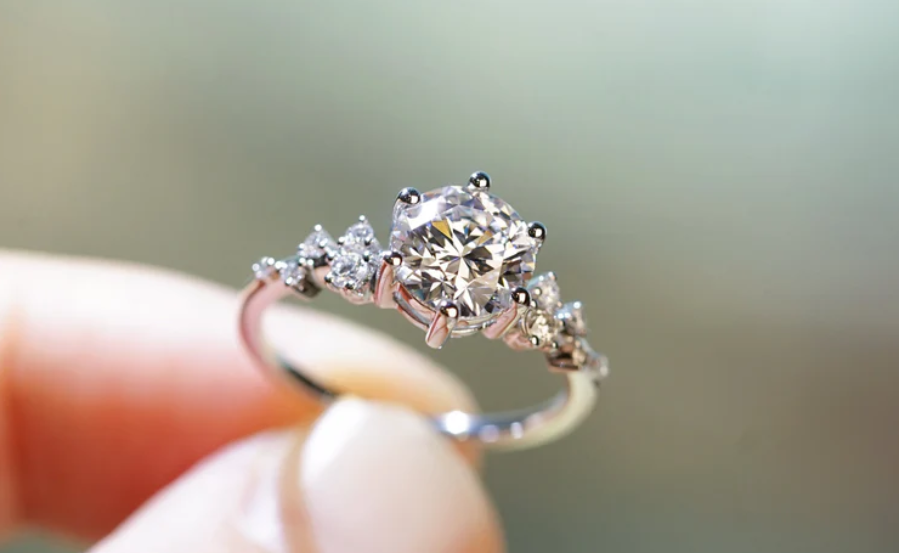
Selling a diamond is rarely as simple as showing a piece of jewelry and waiting for a price. A diamond ring, pendant, bracelet, pair of earrings, or loose stone may carry beauty and personal meaning, but the resale market looks at it through a different lens. What matters is not only how attractive the diamond appears, but how its qualities can be measured, explained, and trusted.
Undervaluation often happens when sellers do not fully understand what they own. A diamond may be judged too quickly, described too generally, or priced without enough attention to its grading details, condition, documentation, and market demand. Professional evaluation helps reduce that uncertainty. It gives sellers a clearer view of the diamond’s strengths and limitations before they decide whether an offer is fair.
A Careful Evaluation Looks Beneath the Surface
Many diamonds look impressive under normal lighting, especially when set in a polished ring or necklace. However, appearance alone does not reveal the full story. A professional evaluation considers details that may not be obvious to the owner, such as exact carat weight, cut proportions, clarity characteristics, color grade, fluorescence, and the overall condition of the stone.
This deeper assessment matters because small differences can affect value. Two diamonds may appear similar in size, but one may have stronger light performance, better proportions, or fewer visible inclusions. Another may look attractive in a setting but have details that make buyers more cautious in the resale market.
For sellers, this information is important because it turns a broad impression into a more specific understanding. Instead of relying on phrases like “good quality” or “beautiful diamond,” they can learn which qualities actually support the price. That clarity makes it harder for a diamond to be dismissed or priced too low without explanation.
Documentation Helps Protect Sellers From Guesswork
A diamond with a recognized grading report is usually easier to evaluate with confidence. Certification gives structure to the conversation by recording important details such as carat weight, color, clarity, cut grade, measurements, and sometimes fluorescence. When these details are available, both seller and buyer can refer to the same information.
Without documentation, a buyer may need to estimate the diamond’s characteristics. This does not mean the diamond has no value, but it can create a wider gap between possible offers. A cautious buyer may lower the price to account for uncertainty, especially if the stone is valuable or difficult to assess while mounted in jewelry.
Professional evaluation can help sellers understand whether existing documents are complete, whether they match the diamond, and how much confidence they add to the selling process. It can also reveal when a certificate is especially useful and when additional inspection is needed. This helps sellers avoid accepting a low offer simply because the diamond’s qualities have not been properly verified.
The Setting and Condition Can Influence the Final Price
When selling diamond jewelry, the stone is only one part of the evaluation. The setting can also affect the offer, especially when it includes gold, platinum, side stones, or a recognizable design. However, the value of the setting is not always equal to what the original buyer paid for it at retail.
A professional assessment looks at the jewelry as both a finished piece and as separate components. The evaluator may consider the main diamond, smaller accent stones, metal type, metal weight, craftsmanship, wear, repairs, and whether the design is likely to attract resale interest. A classic, well-maintained setting may support the overall value, while a damaged or outdated one may be valued mostly for its material.
Condition is particularly important. Loose prongs, scratches, chipped stones, worn metal, or previous repairs can affect buyer confidence. Sellers may not notice these details because they are used to seeing the jewelry as a personal item. Professional evaluation helps identify these factors before they become reasons for a lower offer.
Market Knowledge Helps Separate Fair Offers From Low Estimates
A diamond’s technical qualities are important, but market demand also affects its selling price. Certain carat ranges, shapes, colors, and clarity combinations may be more desirable at a particular time. A diamond that fits active demand can attract stronger interest, while another with less common characteristics may take longer to resell.
This is where evaluation becomes more than grading. A professional view connects the diamond’s qualities with how the market may respond to them. A seller may know the original purchase price, but the resale market is influenced by current buyer behavior, replacement availability, and how easily the piece can be sold again.
Before accepting a number that feels lower than expected, sellers can benefit from seeking professional diamond evaluation before selling so they can better understand the reasoning behind a price. When the offer is connected to clear evidence, the seller can decide with more confidence. When the explanation is vague, the seller has a reason to pause and ask more questions.
Conclusion
Professional diamond evaluation helps sellers avoid undervaluation because it replaces uncertainty with detail. It looks beyond first impressions and examines the qualities that truly influence value, including the 4Cs, documentation, jewelry condition, setting materials, and current market demand. For owners who are unfamiliar with diamond pricing, this process can make the difference between accepting a quick estimate and recognizing a well-supported offer.
A fair selling price is not created by sentiment, retail memory, or appearance alone. It depends on how the diamond is measured, how its condition is understood, and how confidently it can be presented to the next buyer. Professional evaluation gives sellers the language and evidence needed to understand that process.
Selling a diamond should not feel like a blind decision. When sellers know what makes their diamond valuable, where its limitations are, and how the market may view it, they are less likely to accept an offer that undervalues the piece. They can move forward with a clearer sense of control, better questions, and a stronger chance of receiving a price that reflects the diamond’s true resale potential.
