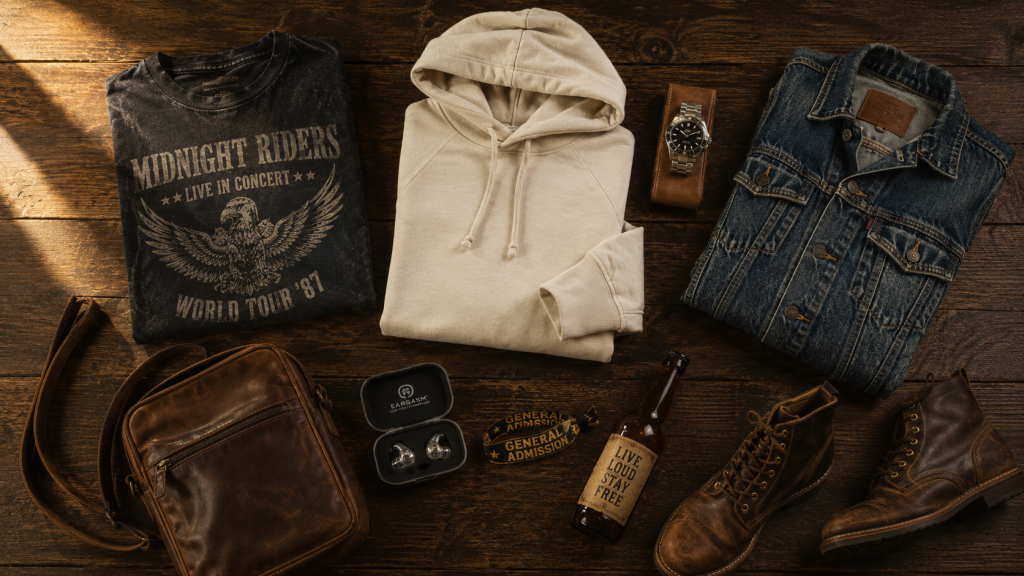
The Hidden Power of What You Wear
Have you ever noticed that you walk differently in certain outfits? Stand a bit straighter in the right blazer. Slouch slightly in a worn-out hoodie. Hold eye contact longer when you know your watch sits clean on your wrist. That’s not in your head. Clothing actually changes how your body moves through space, and that change ripples outward into every interaction you have. A quality Parke hoodie does something to your posture that a cheap mall hoodie can’t replicate. The fabric weight changes how the piece sits on your shoulders. The fit shapes how the silhouette reads in your reflection. The small construction details signal to your subconscious that you’re wearing something worth wearing, and your behavior shifts accordingly. So this isn’t really about fashion. It’s about the quiet psychological effect that your wardrobe has on how you carry yourself through the day. The right pieces don’t just look good. They actively make you feel different. Plus, they signal something specific to everyone around you, often before you’ve spoken a word. The rest of this guide breaks down how that effect actually works, what pieces deliver it most reliably, and how to build a wardrobe that supports the version of yourself you want to be. Honestly, I think this is the most underrated reason to invest in quality clothing. The fashion conversation usually focuses on aesthetics or status, but the real win is internal. You feel sharper when you’re dressed sharper, and that feeling shapes everything from your work to your social interactions to how you handle a tough conversation.
Why Confidence Starts With the Foundation Pieces
Your foundation pieces (the hoodie, the basic tee, the denim, the watch) do more confidence work than you’d expect. So if any of those baseline pieces fail, the rest of your wardrobe suffers, no matter how good the individual items are. A cheap hoodie that’s stretched out at the cuffs makes every outfit it appears in feel slightly off, even when you can’t articulate why. Your subconscious notices the sloppy ribbing, registers the worn fabric, and quietly lowers the confidence baseline for the whole day. The opposite also holds. A well-fitting hoodie in dense cotton that drapes cleanly across your shoulders does the reverse. You touch the fabric subconsciously throughout the day. You feel its weight when you move. Each of those small signals reminds your brain that you’re wearing something you chose deliberately, which feeds back into how you carry yourself. The denim works similarly. A pair of broken-in selvedge or raw denim with proper hardware feels different on the body than mall-grade denim. The weight, the structure, the way the seams sit at the hip: each detail contributes to a subtle anchoring effect that helps you stand straighter. Then there’s the watch on your wrist. A quality watch with a smooth-sweeping seconds hand and proper proportions sits as a tiny reminder of taste every time you check the time. Cheap fashion watches with cluttered dials and a plastic feel do the opposite. They register as something you settled for, even if you don’t consciously think about it. So building the foundation right matters more than chasing statement pieces. Get the basics handled, and everything else falls into place naturally.
A Quick Wardrobe Confidence Audit Checklist
Before you spend any money on new pieces, run an audit on what you already own. So I built this checklist after watching too many friends shop without first knowing what was actually broken in their current wardrobes. Here are the seven things to check in your closet this weekend:
- Inspect the cuffs and hems on every sweatshirt and hoodie you own. Stretched-out ribbing means the piece is functionally retired even if you keep wearing it.
- Check your most-worn tees for fabric pilling and color fading. Anything visibly worn pulls down every outfit it joins.
- Examine your watch (or absence of one). A cheap fashion watch with a ticking second hand reads cheaper than no watch at all in most outfits.
- Look at your denim for whisker patterns and fading. Honest wear from real use looks good. Factory-distressed wear that hasn’t progressed at all looks artificial.
- Test the fit of every pair of pants by standing in front of a full-length mirror. Anything that pools at the ankle or tightens awkwardly at the thigh is hurting your silhouette.
- Check your sneakers and boots for visible wear at the soles and creasing. Worn-out shoes drag down the entire outfit visually.
- Pull out anything you haven’t worn in six months and ask why. Either the piece doesn’t fit your current style, or it’s failing in some specific way worth identifying.
Run that audit for ninety minutes on a Saturday morning, and you’ll come away with a clear list of what needs replacing and what’s still pulling its weight. Most people discover their wardrobe is half-full of pieces that should have been retired months ago. So you’ll save money on new purchases by realizing what you already have that’s working, and you’ll know exactly where to invest first when you do shop.
Why a Parke Hoodie Shows in How You Carry Yourself
The brand you wear changes the way you move, even if you don’t realize it. So pieces from places like parke deliver a specific confidence effect that mass-market alternatives can’t quite match. The fabric weight of a quality specialty hoodie (around 400 gsm cotton) sits on the body with intentional drape. You feel its presence on your shoulders throughout the day. That subtle weight reminder serves as a small psychological anchor. Plus, the construction details (clean ribbing, properly anchored pocket, hood that holds shape) create a piece that visually reads as deliberate. When you walk past a mirror and catch your reflection, the piece looks like it was meant to be worn rather than like it was the cheapest option available. That visual confirmation feeds back into your behavior. You stand straighter. You move with slightly more intention. You make eye contact a beat longer in conversations. None of these shifts is dramatic individually, but together they shape how every interaction unfolds. The other piece of this is what the brand signals to people who recognize it. A quality specialty hoodie reads as “this person bought this on purpose” to anyone who pays attention to clothing. Mass-market mall pieces read as default purchases, which signals something different. So even people who don’t consciously process the difference still register it on some level. That’s part of why specialty brands command higher prices. You’re not just paying for materials and construction. You’re paying for a signal that comes attached to the piece, one that other people pick up on without anyone explicitly discussing it. The signal matters more in casual settings than formal ones, because casual clothing is where personal choice shows most clearly.
Body Language Signals That Shift With Better Clothing
Specific body language changes happen automatically when you upgrade your wardrobe, and most people don’t notice them consciously until someone points them out. So watch for these specific shifts in yourself once you start wearing better pieces:
- You touch your clothes less throughout the day. Cheap pieces invite constant adjustment (tugging at sleeves, pulling at the waistband). Quality pieces sit in place and stay forgotten.
- You stand straighter without thinking about it. Heavier fabric weight on the shoulders subconsciously cues better posture, the same way wearing a slightly heavier backpack does temporarily.
- You make eye contact longer. Knowing you’re dressed well removes one source of background anxiety. So your attention stays present in conversations instead of drifting to self-consciousness.
- You walk slightly slower. Cheap clothing creates subtle rushing energy. Quality pieces signal “I’m where I’m meant to be,” which translates to a more grounded pace.
- You take photos more comfortably. Awareness of how your outfit photographs drops dramatically when the pieces themselves are photogenic. So you stop avoiding cameras.
- Your hands move more naturally. Cheap watches and fidgety jewelry create constant hand adjustments. A simple clean watch lets your hands rest naturally.
- You take up more space. Confident clothing changes how you sit in chairs, hold yourself at standing meetings, and position your body in groups. Subtle but real.
So apply this honestly to yourself. Notice which of these shifts you currently miss, and you’ll have a map of which wardrobe upgrades will have the biggest impact on how you move through your daily life. Most people see noticeable changes in three or four of these areas within a month of upgrading their core pieces, which is part of why the investment pays back faster than expected.
Why Tour Merch Reads as Genuinely Authentic
Authenticity is the rarest quality in 2026 fashion, and tour merch is one of the few categories that still delivers it consistently. So when someone wears a faded tour shirt from an artist they actually listen to, the piece signals something that no styled-from-a-magazine outfit can replicate. A piece from zach bryan merch carries personal narrative weight that generic graphic tees can never match. You bought it at a specific show, or during a specific album cycle, and the graphic itself ties to a moment that meant something to you. That personal connection shows up in how you wear the piece. Not as a flex, but as a quiet signal that you have actual taste rather than just shopping habits. People who know the artist register it immediately and connect with you. People who don’t know the artist still read the piece as authentic rather than performative, because real tour graphics look different from manufactured “vintage-look” pieces. The construction quality on serious tour merch has also climbed dramatically in recent years. Heavyweight 220 to 250 gsm cotton, real screen printing instead of cheap heat transfers, and proper sizing that respects how the wearer’s body actually shapes. So you’re not sacrificing wearability for meaning. Plus, tour merch ages in ways that fashion brands can’t fake. The print softens. The neckline gets slightly faded from sun exposure. The fabric becomes softer with each wash. After two years, the piece looks lived-in in ways that feel earned rather than styled. One concrete observation from years of wearing tour merch: people compliment you more often when you wear a piece that means something to you than when you wear a piece that just looks expensive. The emotional investment shows through in how you carry the outfit, and others pick up on it without consciously processing why.
The Watch as a Quiet Signal of Self-Awareness
A watch on the wrist communicates more about you than most other accessories combined. So getting this signal right matters disproportionately to its size. The challenge is that genuine luxury watches start at $5,000 and climb quickly, which puts them out of reach for buyers building the foundation of a confidence wardrobe. Specialty alternatives fill the gap effectively. A piece from a fake Rolex collection delivers the classic silhouette and wrist presence at a fraction of genuine retail pricing. The 36mm to 41mm case size pairs naturally with hoodie cuffs and sleeve openings, sitting cleanly at the wristbone where the watch reads as intentional rather than oversized. Stainless steel finishes complement the muted color palettes typical of confidence-driven casual wardrobes. The dial color matters here for matching what you’re trying to communicate. A black or deep blue dial reads sporty and capable. A green dial reads slightly contemplative. A champagne or silver dial reads classic and slightly older. So picking the dial to match the energy you want to project rather than just defaulting to whatever’s in stock makes a real difference. The bracelet choice between Oyster (three-link, sporty) and Jubilee (five-link, dressier) shifts the watch’s character without changing its essential identity. Most confidence-leaning casual wardrobes work better with the Oyster bracelet, which keeps the watch in the same register as the rest of your clothing. One thing worth flagging honestly: this signal works best when the watch fits naturally into the rest of your wardrobe. Wearing an expensive-looking watch with cheap clothing creates dissonance that registers as trying too hard. The signal lands when every piece of the outfit operates at a similar quality level. So upgrade the watch when the rest of your wardrobe can support it.
Building Confidence Through Wardrobe Consistency
The biggest confidence shift doesn’t come from any single piece you buy. It comes from building consistency across everything you wear over time. So the real work happens slowly, across months, as your wardrobe gradually shifts from random-purchases to deliberate-choices. A reliable pattern shows up after about six months of intentional building. You stop standing in front of your closet wondering what to wear. You stop second-guessing outfits before leaving the house. You stop comparing yourself to better-dressed people in the same room because you know your pieces hold their own. That consistency becomes a baseline that supports everything else you do. Work conversations feel sharper because you’re not distracted by background self-consciousness. Social situations feel easier because the outfit handles itself. Even photos feel less fraught because you trust how the pieces look on camera. The opposite is also true. People stuck cycling through fast-fashion purchases experience the reverse pattern. Each new purchase delivers a brief hit of novelty, then becomes part of the same general fog as everything else in the closet. So the confidence never quite builds because the wardrobe never quite stabilizes. Now an honest limitation worth mentioning. This confidence effect doesn’t replace actual competence or self-knowledge. A great hoodie won’t make a bad presentation good, and a quality watch won’t make an unprepared interview successful. The clothing creates a more supportive baseline, but the underlying work still has to be there. So treat your wardrobe upgrades as supportive infrastructure rather than as solutions to whatever else might be missing. Used properly, the right pieces make every other part of your life feel slightly more grounded. Used as a substitute for real growth, they just become an expensive distraction. Knowing the difference is the most important framing for any of this to actually work.
Final Words
Clothing won’t fix everything in your life, but the right pieces quietly remove obstacles you didn’t realize were slowing you down. So if you’ve been treating your wardrobe as an afterthought, this is the angle worth shifting. Build the foundation deliberately. Pay attention to how the right pieces change how you move. A year from now your closet, your photos, and the way you walk through a room will all look noticeably different in ways most people around you won’t be able to articulate but will definitely notice.
FAQs
Q: How long does it take to feel the confidence effect from better clothing?
About two to three weeks for the first piece, longer as you build a fuller wardrobe. The shift is subtle at first, then becomes more obvious as you accumulate enough quality pieces that your daily defaults all feel deliberate.
Q: Can a single quality piece really make a difference if the rest of my wardrobe is cheap?
Yes, but the effect is smaller. A great watch with mediocre clothing helps. A great hoodie with the right denim helps more. The fullest confidence effect requires consistency across the outfit, but starting with one upgrade is genuinely worth doing.
Q: What’s the single piece that delivers the biggest confidence shift?
For most casual wardrobes, a quality heavyweight hoodie. You wear it constantly, it photographs in everything you do, and the construction quality immediately changes how the piece sits on your body. So the return on investment for that one upgrade is enormous.
Q: Does this confidence effect work the same way for women?
The mechanism is identical (fabric weight, construction quality, fit, signal recognition), but the specific pieces obviously differ. The underlying psychology applies universally regardless of gender or style preference.
Q: Is this confidence effect real or just a placebo?
It’s both, in the way most psychological effects are. The fabric weight and construction signals are physically real. Your brain’s response to them is the placebo part, but that doesn’t make it less effective. The result (better posture, more eye contact, easier social presence) is measurable regardless of which side you credit it to.
