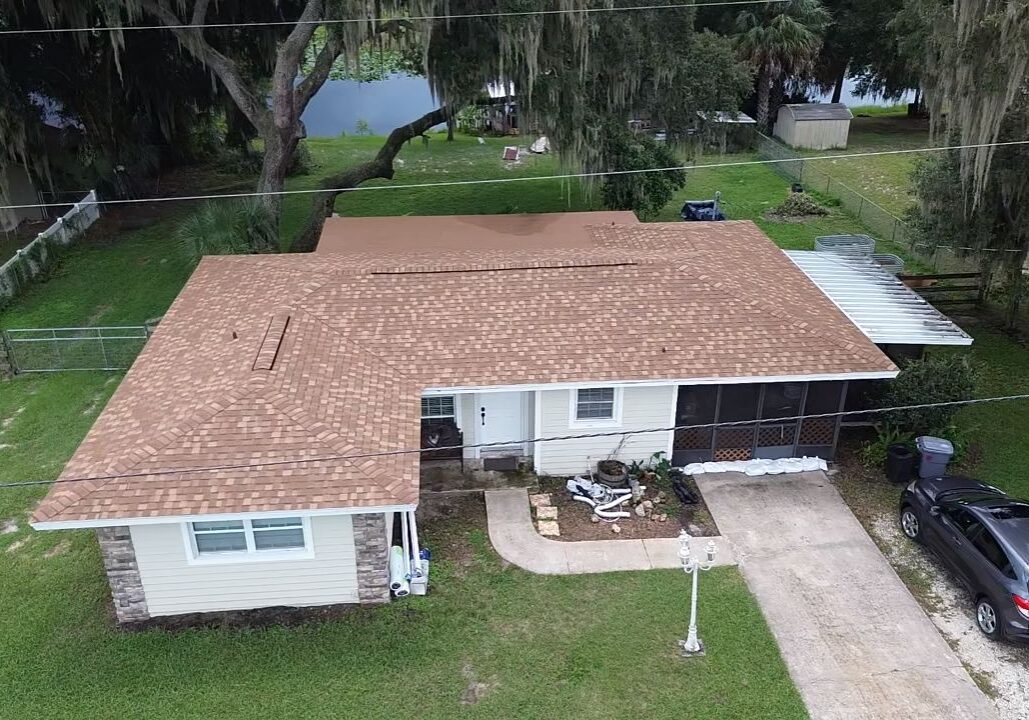
A roof replacement is one of the largest exterior projects a homeowner may face, and many people are unsure what actually happens once the work begins. Questions about timelines, materials, property protection, and installation steps are common. This uncertainty matters because understanding the process can help homeowners prepare their property and set realistic expectations. This article explains the key stages of a full roof replacement, from the initial inspection to the final cleanup, so homeowners in Jacksonville can better understand what to expect.
Initial Roof Assessment and Project Planning
Every roof replacement begins with a detailed evaluation of the existing roofing system. Contractors inspect shingles, flashing, decking, ventilation components, and areas affected by leaks or weather damage. This assessment helps determine the scope of work and identifies any structural concerns that may require attention.
Homeowners considering roof replacement in Jacksonville usually discover that proper planning helps avoid unexpected delays later in the project. Material selection, scheduling, and site preparation are typically addressed during this stage. Clear planning creates a smoother installation process from the start.
Removal of Existing Roofing Materials
Once preparations are complete, the old roofing materials are removed. Contractors strip away shingles, underlayment, and damaged components to expose the roof deck underneath. This step provides a clear view of the roof’s structural condition, which is particularly important for homes in Jacksonville that experience frequent exposure to sun, rain, and seasonal storms.
A complete tear-off allows hidden issues to be identified before new materials are installed. For example, water-damaged decking may not become visible until old roofing layers are removed. Addressing these concerns early helps support the long-term performance of the new roof.
Roof Deck Inspection and Repairs
The exposed roof deck is carefully evaluated after material removal. Contractors look for rot, soft spots, moisture damage, and structural weaknesses that could affect the installation. Any damaged sections are repaired or replaced before work continues.
This stage is important because the roof deck serves as the foundation for the entire roofing system. Installing new materials over compromised decking can lead to future problems. Proper repairs help create a stable base for the replacement roof, helping homeowners in Jacksonville prepare for future weather conditions with greater confidence.
Installation of Protective Roofing Components
After deck repairs are complete, protective layers are installed across the roof surface. Underlayment, flashing, drip edges, and ventilation components work together to manage moisture and support roof performance. Each element plays a specific role within the roofing system.
A practical example involves roof flashing around chimneys and roof penetrations. These areas typically experience increased water exposure during storms. Proper installation helps reduce the risk of moisture intrusion and supports long-term durability.
New Roof Installation and Final Project Review
The final stage focuses on installing the new roofing materials and completing project cleanup. Contractors place shingles or other roofing products according to manufacturer requirements and local building standards. Once installation is complete, the roof undergoes a final review.
Key parts of the final stage include:
- Installation of the selected roofing material
- Inspection of flashing and ventilation components
- Removal of project debris from the property
- Final quality checks across the roof system
- Review of completed work with the homeowner
Professional roof replacement services help manage each stage of the process while addressing issues that may not be visible during an initial inspection. Experienced roofing teams evaluate decking conditions, weather-related damage, and installation requirements to help ensure the new roof performs as intended.
A full roof replacement follows a structured process that begins with assessment and ends with final inspection. Each stage serves a specific purpose and contributes to the overall performance of the finished roofing system. Understanding these steps can help homeowners feel more confident about the project, and homeowners considering roof replacement in Jacksonville can use this knowledge to better evaluate recommendations and project timelines. A clear understanding of the process also makes it easier to prepare for the work ahead and make informed decisions throughout the project.
